
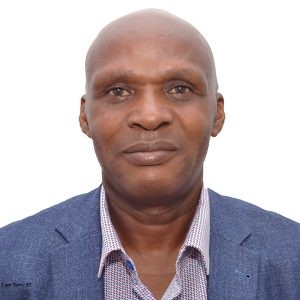

Chairperson – Mr. Fred Tumwiine
Mr. Fred Tumwine is a leading road safety advocate in Uganda, serving as Chairperson of ROSACU and Executive Director of Uganda Road Accident Reduction Network Organisation – URRENO. He is widely recognized for promoting safer roads through policy reform, effective enforcement, and collaboration with government and civil society. At ROSACU, he has advanced national discussions on speed management, including 30 km/h zones around schools, emphasizing the protection of vulnerable road users. Through both ROSACU and URRENO, Mr. Tumwiine engages key partners to strengthen policy dialogue and advocate for sustainable financing of road safety initiatives. His leadership continues to shape Uganda’s road safety agenda.
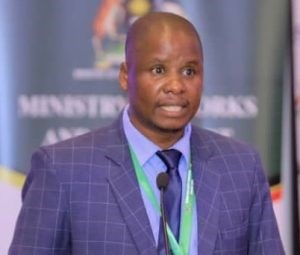
General Secretary – Mr. Sam Bambanza
Sam Bambanza serves as the General of ROSACU, and Executive Director of Safe Transport and Survivors Support Uganda (STASSU), a member organisation and current host of the ROSACU secretariat. Mr. Bambanza is widely recognized as a Safe School Zone Champion, spearheading initiatives to protect children and reduce traffic-related fatalities. In May 2025, he played a central role in launching the National Guide for the Establishment of Safe School Zones, providing practical guidance for urban planners and local governments. He has also championed the 30 km/h Speed Limit Campaign in school zones and key urban centers, and pioneered the adoption of the Star Rating for Schools (SR4S) methodology to assess and improve school road infrastructure.
Beyond school safety, Bambanza focuses on survivor support, offering legal aid, medical assistance, and psychosocial care for crash victims. He also conducts defensive driving training, engages with policymakers, and trains journalists to strengthen road safety awareness and legislation across Uganda.
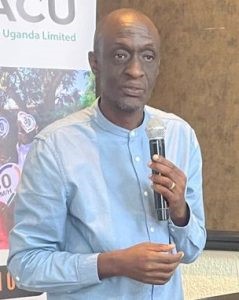
Mr. Richard Baguma; Treasurer
Richard Baguma serves as Treasurer of the Coalition and Executive Director of the United Nations Association of Uganda (UNAU). In his executive role at ROSACU, he provides financial oversight while actively contributing to road safety advocacy, including calls for a dedicated Road Safety Fund and improved enforcement initiatives. Baguma champions evidence-based policy interventions, such as standardized helmets, alcohol control measures, and speed regulation. He engages with media to highlight road behavior change, raises public awareness at transport hubs, and collaborates with government agencies to strengthen multi-sectoral road safety efforts, emphasizing the protection of young and productive road users.

MS. Angela Tumuhairwe,
Program Coordinator.
MS. Angela Tumuhairwe is a distinguished transport scientist and road safety advocate, serving as the coalition’s Program Coordinator. In her executive leadership role, she coordinates the activities of over ROSACU’s 28 civil society organizations and professional networks, ensuring effective collaboration to advance road safety advocacy in Uganda. Tumuhairwe represents ROSACU in high-level engagements with government entities, including the Ministry of Works and Transport and the Directorate of Traffic and Road Safety, championing policy reforms and evidence-based interventions.
She plays a key role in capacity building, providing orientation and training for coalition members on advocacy planning, campaign strategies, and stakeholder engagement. In addition, she supports administrative operations, resource mobilization, program planning, compliance, and basic financial management, strengthening the coalition’s operational efficiency. Through her strategic leadership, Tumuhairwe has significantly enhanced ROSACU’s ability to influence policy, mobilize stakeholders, and drive national initiatives for safer roads in Uganda.

Ms Nyakato works closely with the ROSACU Secretariat to ensure effective and consistent communication across the coalition. She is responsible for developing and implementing ROSACU’s communication plan, managing social media and other digital platforms, and producing materials such as reports and member updates. In addition, she supports the organization of ROSACU meetings and contributes to documentation and public awareness campaigns aimed at promoting road safety in Uganda. Her work plays a key role in strengthening stakeholder engagement and amplifying advocacy efforts within the road safety sector.
THE STRENGTH OF ROSACU
ROSACU has emerged as a formidable force in promoting road safety across the country, demonstrating strength, focus, and the ability to create a tangible impact in communities. Its growth is reflected in the increasing number of member organizations joining the coalition and expanding its reach and influence. ROSACU’s effectiveness stems from strong local partnerships with key institutions, including the Ministry of Works and Transport, Uganda Police, Parliament, local governments, and the Ministry of Education, as well as collaboration with civil society organizations. ROSACU’s International partners, the Global Health Advocacy Incubator – GHAI and The Global Road Safety Partnership – GRSP, provide technical support, resources, and expertise, further amplifying the coalition’s capabilities.
ROSACU’s leadership highlights its strategic planning, evidence-based approaches, and innovative interventions as central to its success. With its newly developed strategic plan, ROSACU is positioned as a beacon of hope for Uganda’s road safety future, driving positive change, reducing road risks, and empowering communities nationwide.
LEARN MORE FROM OUR LEADERS
Chairperson’s Remarks on Expansion, Secretariat Development, and Future Plans
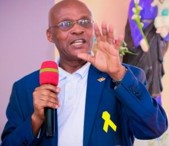
ROSACU continues to grow, expanding from five to nearly forty member organizations and solidifying its position as Uganda’s leading road safety coalition. Despite limited resources, members remain united—sharing knowledge, making sacrifices, and fostering collaboration across academia, media, civil society, and government.
In 2025, a major milestone was the formal establishment of the ROSACU Secretariat, with Angela Tumuhaire and Doreen Nyakato appointed in April to support operations and coordinate key working groups: technical, media, and membership compliance. I am also encouraged by the growing exclusivity, improved branding, and strengthened partnerships with the Ministry of Works and Transport, as well as with other stakeholders both locally and internationally. Let us continue to build on this unity, particularly with government bodies such as the National Road Safety Council, which now actively supports and collaborates with us.
We sincerely thank the Global Health Advocacy Incubator (GHAI), the Global Road Safety Partnership (GRSP), and all our partners for their sustained funding, which has provided the much-needed stability. Let us continue with strategic planning, as it is essential to ensure continuity. Despite a few challenges and funding uncertainties, we remain committed and resilient in advancing Uganda’s road safety agenda.
Secretariat Update: Spotlight on the Key Institutions and Partners Powering ROSACU’s Road Safety Movement
ROSACU is a unique coalition that brings together diverse expertise and organizations working across various aspects of road safety in Uganda. Its membership includes technical partners; the Global Health Advocacy Incubator (GHAI) and the Global Road Safety Partnership (GRSP), both of which are leading the coalition’s capacity-building efforts through resource support.
Our coalition is strengthened by the presence of experienced and reputable organizations such as the Uganda Road Accident Reduction Network Organization (URRENO), Safe Transport and Survivors Support Uganda (STASSU), Safe Way Right Way, and the United Nations Association of Uganda (UNAU). These organizations are implementing initiatives on safe school zones, professional driver training, child restraint campaigns, helmet use, tobacco and drug prevention, and other targeted road safety programs.
On the policy and research front, the Centre for Policy Analysis (CEPA) leads efforts in evidence-based advocacy. In the media and communications space, the African Centre for Media Excellence (ACME) is enhancing road safety awareness through the training of road safety journalists and advocates.
ROSACU’s health and post-crash emergency response efforts are supported by members including the Uganda Red Cross Society, Vision for Trauma Care in Africa (Mukono), and Road Safety Club Uganda Ltd (ROSA Club) – Mbarara. ROSA Club recently received a presidential Class C ambulance from H.E. President Yoweri Kaguta Museveni and now operates it as a mobile clinic in partnership with Mbarara Regional Referral Hospital, serving communities in western and central Uganda.
ROSACU also comprises Boda Boda institutions such as TRASAO, Boda Boda Industries, and the Twezimbe Women Boda Boda Riders Association. Key initiatives in this area include:
- TRASAO and STASSU research, supported by the Association for the Advancement of Automotive Medicine. TRASAO is leading a quarterly motorcycle safety research initiative and will present its findings in Indianapolis, USA, this October.
- Twezimbe, which is actively involved in community initiatives, blood donation drives, and empowerment programs for female riders.
- Boda Boda Industries, which advocates for rider well-being through education and sensitization on speed management, drug use prevention, and helmet compliance.
Member driver organizations, including the Uganda Professional Drivers Network (UPDN) played a key role in securing the 30 km/h speed limit regulation and continue to train road safety journalists, among other activities. The Regional Truckers Transformation Initiative launched a nationwide Mpox vaccination campaign for high-risk road users, distributing 300,000 vaccine doses provided by the Ministry of Health.
Responsive Drivers Uganda (ReDU) has created over 12 zebra crossings, installed signage, painted road markings at three primary schools, and hosts monthly road safety talk shows on Radio Pacis 101.4 FM in Gulu City. Meanwhile, the Foundation for Private Sector Drivers Initiative (FPSDI) promotes driver welfare through community care, rights advocacy, and access to health services.
The Legacy Road Safety Initiative spearheads awareness campaigns through annual road safety marathons and other impactful activities. Uganda Project Implementation and Management Centre – UPMAC and the Akanej Foundation offer expert consultancy services to drive meaningful change, while the Centre for Disability Rights (CEDIG), in partnership with institutions such as Mulago Hospital, amplifies the voices of road crash survivors.
Other ROSACU members actively implementing road safety projects include the CHUMATEICH Foundation, Ubuntalism Global Ltd, the Nicole Foundation, the Bwaise Terminal Road Safety Initiative, and Nostro Afrique (Africa Kwetu).
Resource Mobilization Address by the Treasurer
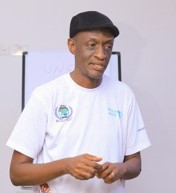
ROSACU’s revised five-year strategic plan aims to build a vibrant coalition that contributes to reducing road crashes and fatalities in Uganda by 25% by 2030. Our priorities include strengthening institutional systems, enhancing member capacity, and establishing sound governance frameworks. Key milestones include a fully operational secretariat, adopted coalition policies, and progress toward a network of over 100 members. We are also committed to improving research and knowledge-sharing, recognizing that reliable data is vital for effective strategic advocacy. Through partnerships, training, and evidence-based research, we aim to close Uganda’s road safety data gap and attract sustained donor support.
To maximize impact, we are exploring innovations such as crash databases, emergency response systems (EPS), digital tools, and artificial intelligence (AI) to modernize interventions. However, challenges remain—particularly resource constraints among members and inadequate research infrastructure—which require collective action to overcome.
As such, we urge all members to become active ambassadors by mobilizing resources, forging academic and donor partnerships, and aligning road safety initiatives with broader development priorities such as health, gender equality, and urban planning. Opportunities abound, but achieving our goals will require consistent engagement, improved visibility, and strategic communication to fully unlock our potential and sustain momentum.
GHAI Leaders Applaud ROSACU’s Progress, Call for Sustained Road Safety Advocacy

As a mother and Caribbean advocate, I understand the urgency of road safety reform. We are proud of the coalition’s growth—from five to about 40 diverse organizations—including boda boda industry players, survivor groups, disability advocates, and women leaders. It is truly encouraging to see women leading in a space often dominated by men. The Safe School Zones Guide is another historic achievement, and we proudly share these success stories with our colleagues around the world.
As Uganda moves closer to its national road crash reduction targets, we will continue to stand alongside ROSACU, supporting its efforts as we work together toward a safer and more inclusive future through bold advocacy, strategic collaboration, and evidence-based action. I commend ROSACU’s leadership, under the stewardship of its Chair, Mr. Fred Tumwiine, and reaffirm GHAI’s full support for the coalition.

The coalition’s growth and commitment to safeguarding Uganda’s future generations are commendable. The Safe School Zones Guide stands as a national achievement, with children as its true beneficiaries. While the coalition has made strides in aligning its activities with donor priorities and strengthening accountability, its financial stability remains vulnerable due to continued reliance on external funding. To ensure long-term sustainability, ROSACU must diversify its funding sources through stronger local partnerships, increased government engagement, and innovative financing models such as social impact bonds and private sector collaboration. These steps are vital to the success of ROSACU’s 2025 – 2029 Strategic Plan and its broader mission.
Coordinator’s Word of Gratitude
Being appointed as the new Coalition Coordinator is truly an honor. The collective dedication, drive, and commitment demonstrated by every member and partner are both inspiring and energizing. I look forward to working alongside all of you to further advance our shared goal of safer roads and stronger institutional collaboration.
Together, we will build on the strong foundation already laid and continue to champion evidence-based policies, raise public awareness, and foster impactful partnerships that save lives. Thank you for your unwavering commitment to road safety.